
The people I work with are drawn to high-growth, high-complexity environments: founders, innovation leaders, people building things that didn't exist before. What they share isn't just a tolerance for uncertainty and ambiguity, they actively struggle to resist it. These are people energised by ideas, the challenge of turning possibility into reality, and the work itself.
That focus is an enormous strength, but it comes with a shadow side I've seen play out again and again.
When your attention is locked on the product, the strategy, the execution, it's easy to overlook something equally as important: how you do that work.
How you organise yourself to perform at your best.
How you work with the people around you.
And what it costs you along the way.
The consequences of ignoring these things are real and significant.
On a personal level: exhaustion, burnout, and a growing sense that the work is taking more than it gives.
On a team level: conflict that slows everything down, trust that gradually erodes, talent that eventually walks.
At an organisational level: friction that stunts growth at a time when momentum matters most.
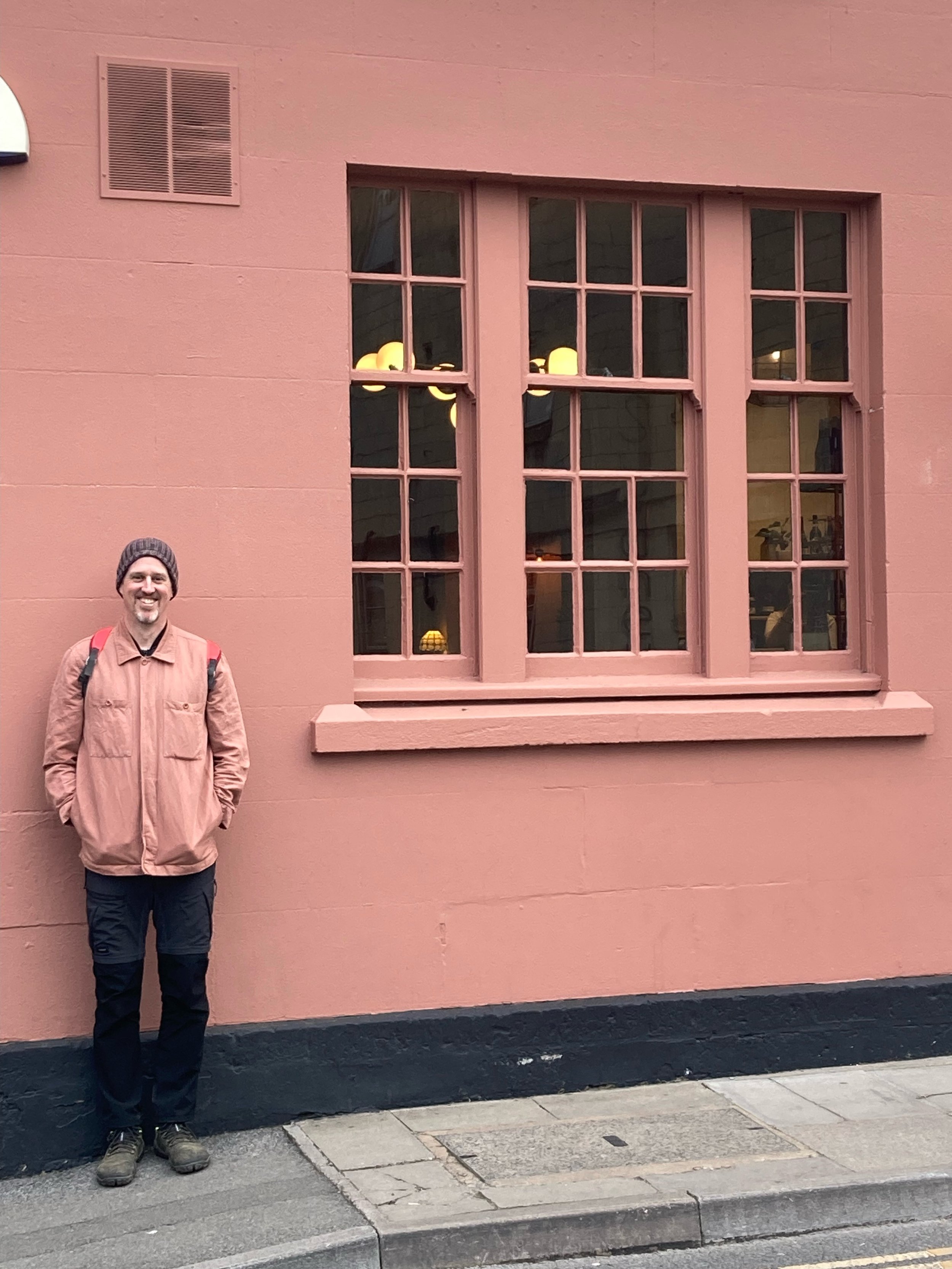
Me (Phil Dorman) standing out whilst fitting in
None of this is an inherent character flaw, it’s just the product of how most of us are taught to think about work: that results come from doing, and that if we just focus hard enough on the doing, everything else will fall into place.
But if you don't give active attention to how you work and how you lead, you might think that you're simply staying neutral. I.e not taking a position, letting things find their own level. But leaving these things unattended doesn't produce neutrality. It produces default; old patterns and inherited assumptions running quietly in the background, blind spots going unexamined, unspoken tensions between people that slowly calcify. The costs of all of which are usually hidden until suddenly they're not. By which time they're existentially expensive.
Not being neutral isn't a risk, most of the time it's already happening. The only question is whether you're the one choosing what stance to take.*
This is the belief at the heart of my practice: that to truly thrive as a growth leader, you have to be deliberate about how you lead, both in yourself, and in collaboration with others. You cannot leave it to chance. You cannot be neutral, you must be active in engaging with your leadership.
In practice, that means working across three connected dimensions:
Facing Reality
.. is the foundation. It starts with an honest reckoning: with yourself, your working patterns, the dynamics inside your team. What am I genuinely good at? Where do I get in my own way? What's the real story here, underneath the surface? This kind of clarity isn't always comfortable, but without it, everything else is built on sand.
Choosing What You’re For
.. is about making active decisions from that honest place. What kind of leader do you want to be? What does your team stand for? What principles will guide how you work together? These aren't abstract questions, they shape what you say yes to, what you protect, and what you're willing to let go of.
Establishing Powerful Practices
.. is where intention becomes reality. Having clarity isn't enough on its own. What matters is whether it actually changes how you show up, in the habits you build, the rhythms you create, the way you approach the work day to day. This isn't a neat linear process. It takes discipline and curiosity in equal measure, a willingness to try things, learn from them, and keep going.
This is the work I do with my clients, whether that's one-to-one with an individual leader working through what's getting in the way and how to move forward; with a leadership team learning to have harder, more honest conversations, and to turn the friction that's always there into something that drives progress rather than impedes it; or with an organisation looking to unlock the potential of its people at scale.
The specifics vary. The logic is always the same: face reality, choose what you're for, establish the powerful practices that make it real.
*This concept of “not being neutral” is not one I claim as my own. It comes from the work of 20th century Brazilian educator and philosopher Paolo Freire. Here’s what I wrote about that link back in 2020 when I set up Not Neutral. While the focus of my work has evolved since, the underlying ethic remains the same.
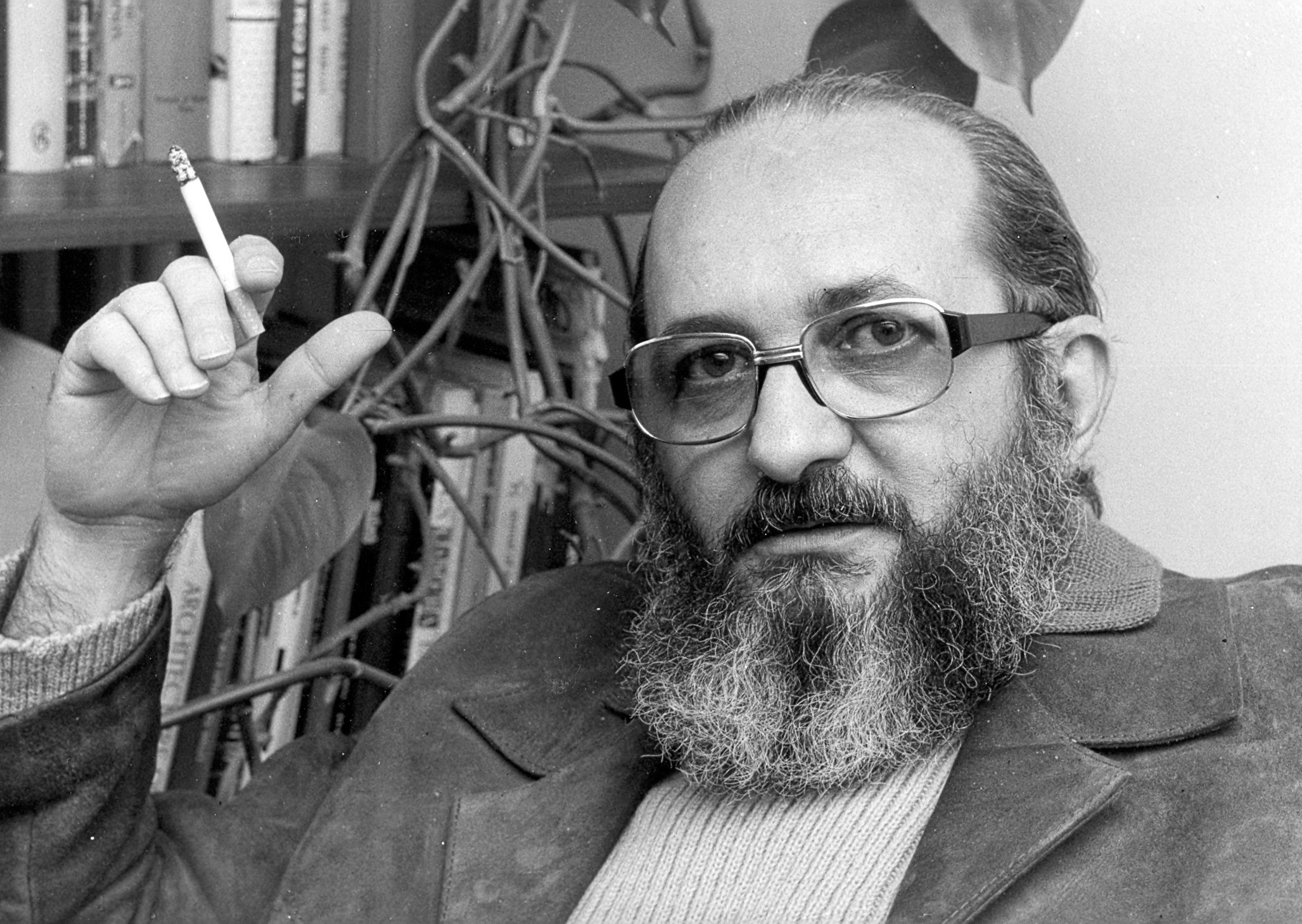
Paolo Freire looking every bit the mid-20th century intellectual
My Background & Experience
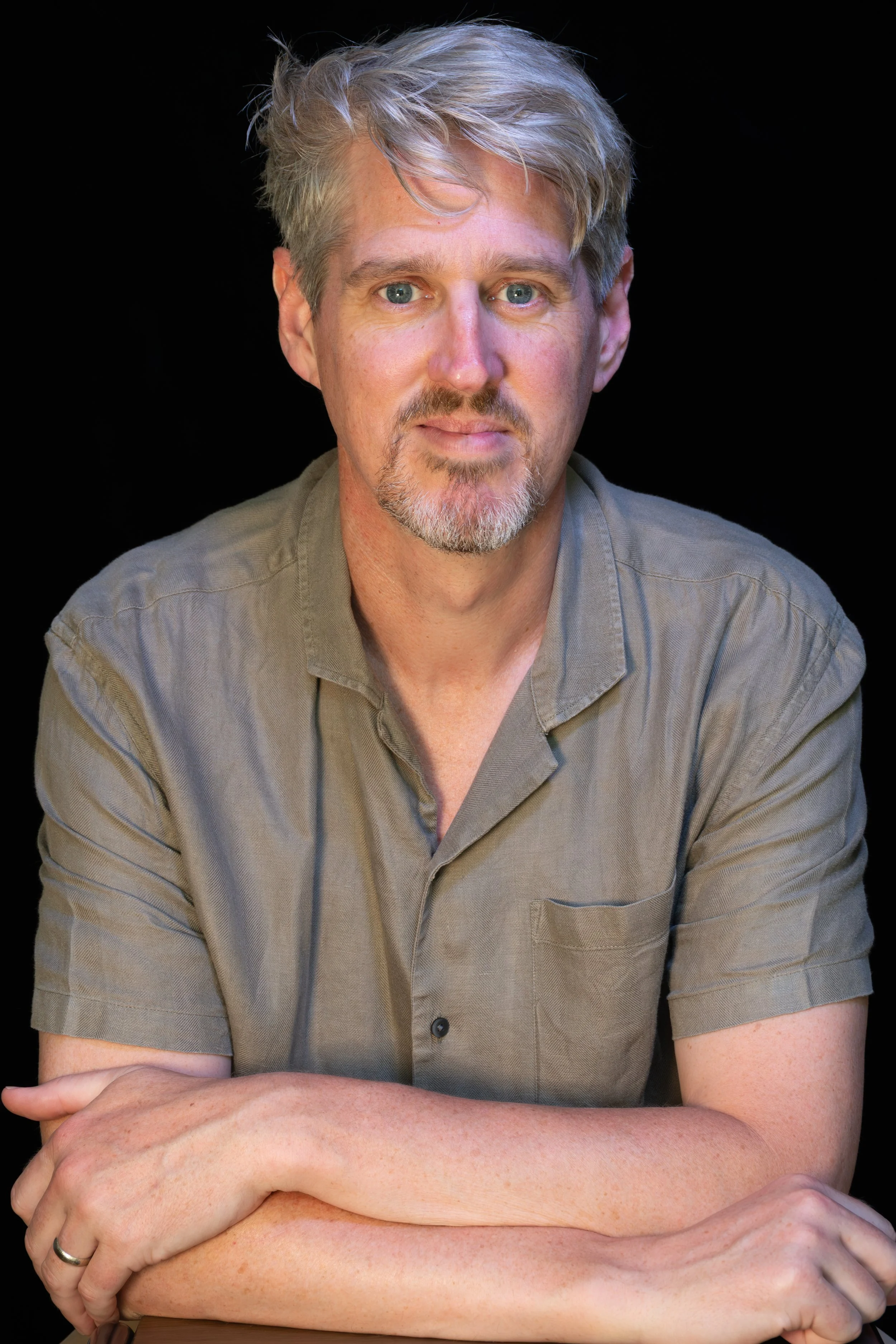
I show up to this work as a qualified CoActive coach, an accredited Let’s Go, Strengthscope and Teamsstrengths practitioner and continue to find new ways to elevate my practice and expand my range.
Underpinning this formal training, and my ongoing and ever evolving practice, it is my life journey that most deeply informs my work. It is a journey that has involved plenty of energising exploration, discovery and achievement, as well as its fair share of detours, dead ends and failures.
It is a journey defined not just by what I have done in my career, but by who I’ve done it alongside, as well as where I have done it and how I have been along the way.
What I’ve done
My career began in 2001. Having left University in Leeds with a degree in Modern Chinese Studies and Linguistics and no clue what I wanted to do with my life, I landed a job helping Haymarket establish their foothold in mainland China, playing a bridge role as the only Chinese speaking foreigner on their local joint venture magazine titles.
There I got a rapid immersion into all aspects of business management in the media industry and the unique tensions of trying to replicate success in one market in another, very different, one. All while managing multiple stakeholders with differing motivations and expectations.
Following that I took my first step into the venture capital funded startup world, joining ILX Media as one of their first leadership hires. That opened my eyes to all kinds of possibilities, and to the joys and challenges of building a business from the ground up.
Foremost amongst those possibilities was that, rather than work for someone else, I could build a business myself. Inspired by the potential the internet presented to create new relationships between brands, influential voices in media and trade, and consumers, in 2005 I co-founded Confucius Says, a pioneering social marketing agency. We did great work. We helped the likes of 42 Below, Bacardi, VISA Black and Zespri grow their brands and businesses in China. We formed a really special young team with a unique mix of local and international talent. And we had a great time doing it. I learnt a huge amount from all of that and as well as from the bust that followed our brief boom - navigating difficult conversations with partners, employees, suppliers and the local government as we folded the business, just about making it through all that and a couple of run ins with the Chinese judicial system with my health and dignity intact.
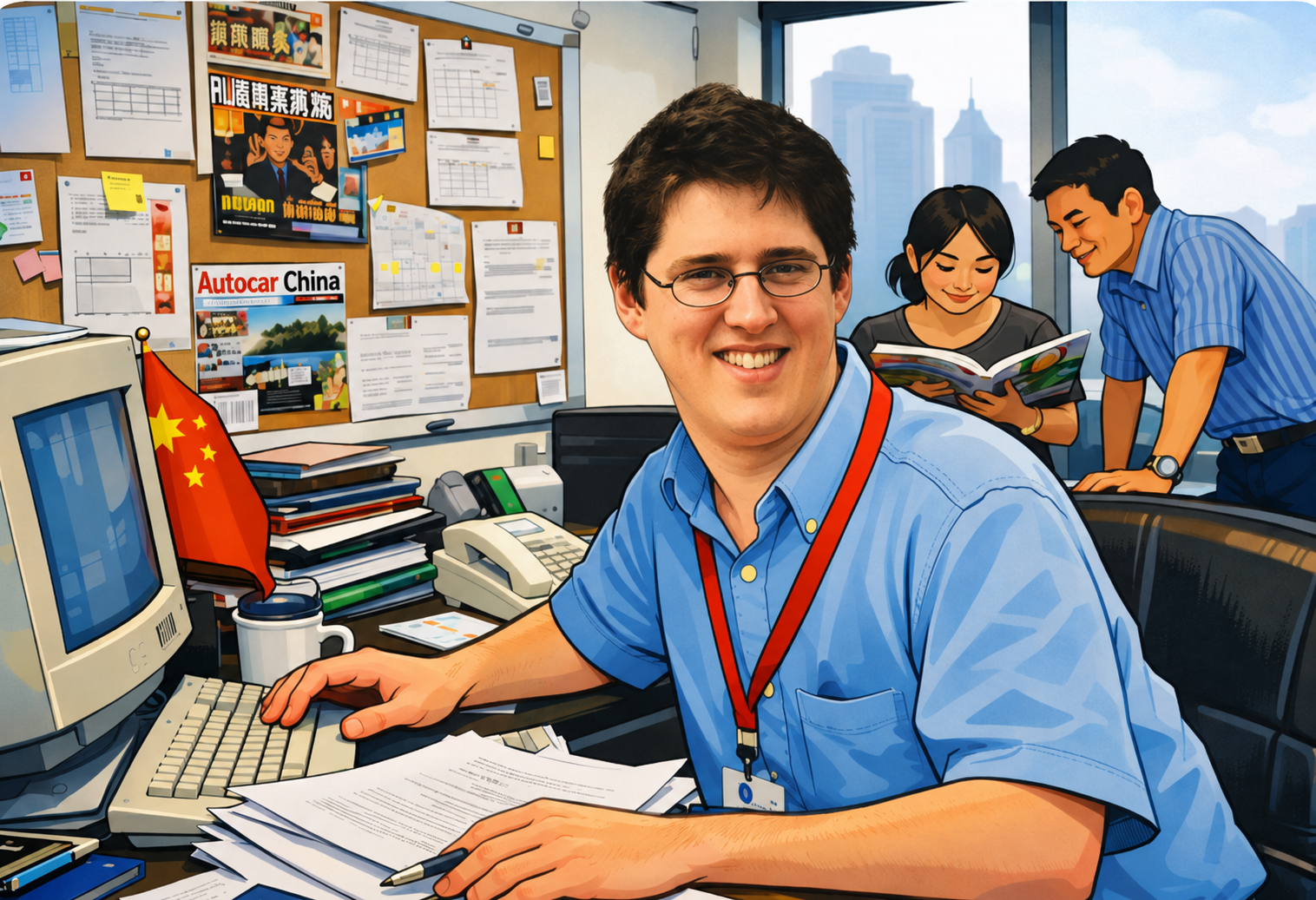
Definitely not AI generated
That ending marked a major new beginning. After a false start mixing friendship and business to poor effect at Split Works, in November 2008 I began my consulting career at ?What If! Innovation. I joined as a consultant ‘inventor’ on what would eventually become known as the Growth Cultures practice - helping corporate clients build their capability and capacity to innovate. Working across Asia to drive transformation with clients including IKEA, Pernod Ricard, Pfizer, Abbvie, Mondelez, Tetrapak, IHG and many more, I rose through the organisation, becoming a director, heading up the APAC Growth Culture practice for the region, and ending my time in Asia co-leading the Shanghai office and the regional business. It was with ?What If! that I relocated to London in 2017, joining the European leadership team and continuing my cross category client work with the likes of Shell, JLL, Edyn, Audible, Travis Perkins and others, before taking on the challenge of reinvigorating a fading healthcare practice, partnering to get it back on track as the biggest contributing sector the company and leading key client relationships with Roche, AstraZeneca and GSK.
I spent a total of 12 years at ?What If!. Having joined intending it to be a brief interlude before founding my next venture, it kept offering me new adventures and opportunities. It was a truly incredible company with a very special culture, one delivered elite performance through a wholehearted commitment to humanity and playfulness. It was a place that truly changed lives. I ended my time there in 2020, having played my part in helping navigate their acquisition by, and integration into Accenture.
Who I’ve done it alongside
By nature a biography focuses attention on one person and their achievements, in this case me and mine. The reality of my career, however, is that it’s been the people I have worked alongside, played with and learned from along the way who matter most, and my proudest achievements are the impacts, big or small, that I have had on their lives.
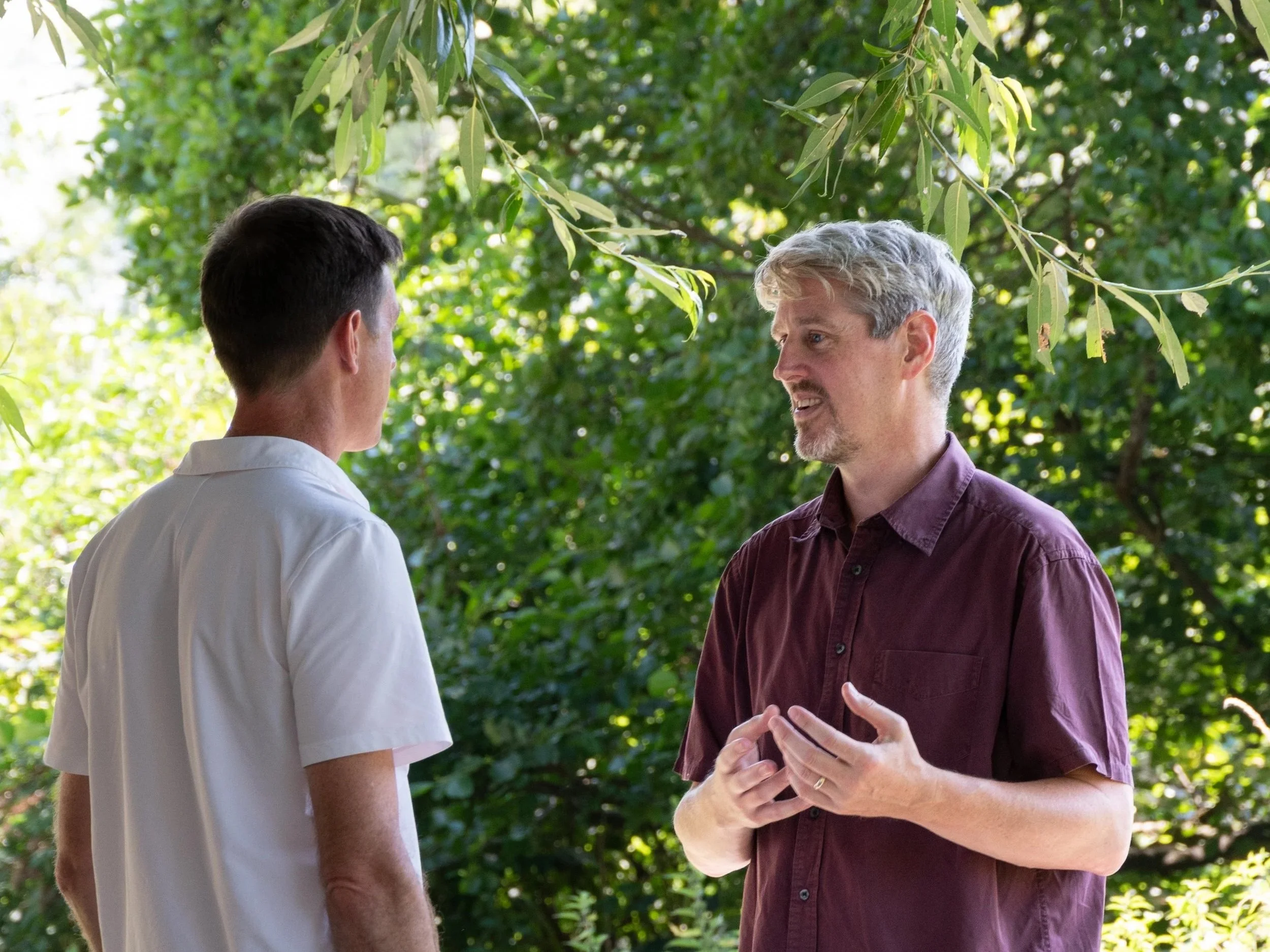
I have had the privilege of collaborating with too many brilliant people over the years to list in full, so I will satisfy myself by making special mention of the remarkable leaders and mentors who I have worked for or built businesses with over the years:
from my Haymarket days - Michael & Rupert Heseltine, Alan Kemp, Jeremy Vaughan, Jim James, Koon Seng Kuok, Luo Jinling, Liang Xinjun and Guo Guangchang;
at ILX - Grant Prigge and Jeffrey Parker;
through the grand adventure of Confucius Says - The Shipleys (Ben, Burton & Jenny) and Aaron Marsich;
during my (brief) time at Split Works - Archie Hamilton and Claire O’Shannessy;
at ?What If! - Matt Kingdon & Dave Allan, Dan Goldstone, Yi Ta Chng, Alex Runne, Charles Laporte-Aust, Penny Harris, Elaine Chen, Salil Pajwani, Elizabeth Real and Emma Allen;
and in this Not Neutral era - Caitlin Cockerton, Piers Freke-Evans, Ian Forshew, Guy Hutchinson, Hasan Khair & Krish Surroy, and Richard Watkins.
My heartfelt thanks to you all.
Where I’ve done it
Having grown up in the sleepy and safe London/Surrey border suburb of Cheam, it was a simple, if random, twist of fate that saw me sign up for a 6 month stint teaching English in China at the age of 18.
Starting with that experience in Quanzhou (google it) in 1997, I ended up spending a total of 18 years there. I spent a year in Beijing as a student from 1998-99, and summer stints of study and English teaching in Tainan (not politically part of China, but culturally Chinese influenced) and Kunming. Then, freshly graduated, I moved to Shanghai in 2001, a city that was home until 2017.
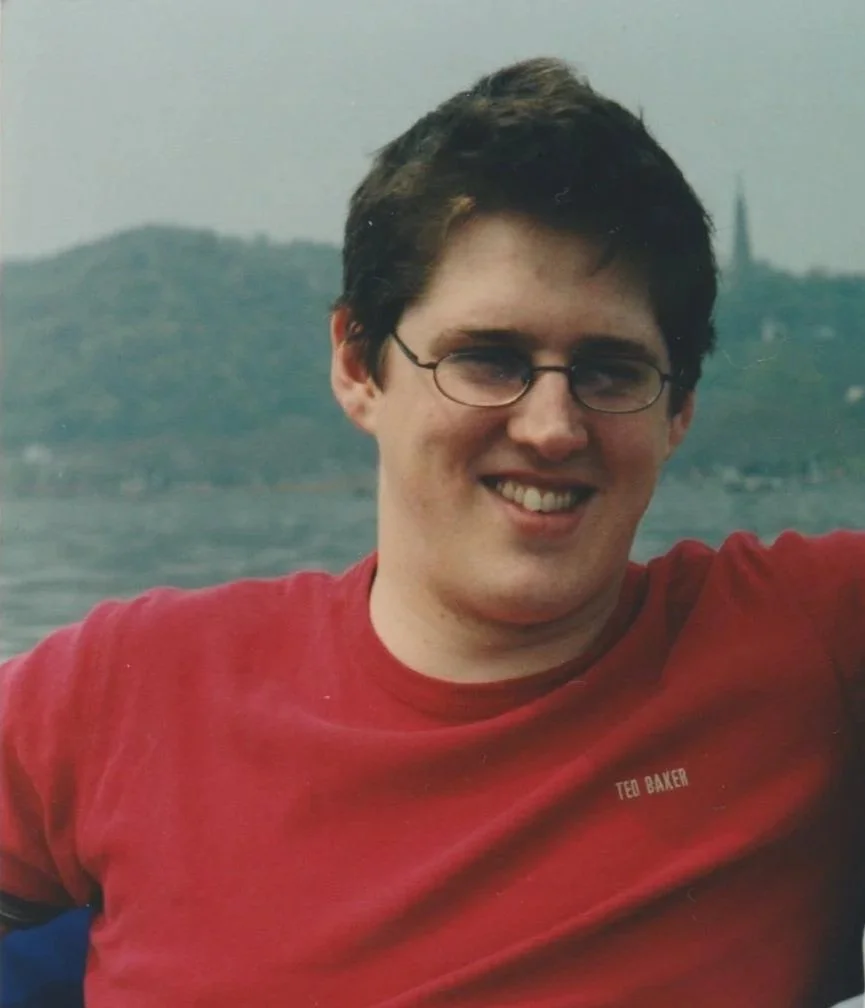
The country that I experienced was a place of optimism and opportunity. My time there coincided, for the most part, with a period of ever increasing openness and freedom to experiment. In the circles I was fortunate enough to mix in, artists, architects, entrepreneurs and pioneers of the new, internet enabled, economy, bounced around ideas, got drunk, danced and launched grand projects together. It was a place and time that threw me out of my comfort zone. It was the ultimate “high growth” environment - with all the good, bad and ugly that entails. And, having worked my first real job, got married, launched my first business and started and raised a family there, it has played a large part in shaping who I am and how I think.
As a caveat to all I have described - I can only describe China as I experienced it. That was as a privileged expatriate, mostly living in the country’s wealthiest and most international city. Adjacent to but cocooned from the harder realities of everyday life for the vast majority of people in Shanghai. Only exposed to other parts of the country as an occasional visitor and tourist. Completely detached from the jagged, sharp edges of economic growth, political control and increasing cultural homogenisation in countless villages, towns and cities across the country, even more so from the experience of Tibetan, Uighur and other ethnically and culturally non-Han communities.
Various factors prompted my family and me to relocate to London in 2017. The UK we moved to was a new country - not just for my Italian wife and China-raised kids, but for me, having spent most of my twenties and thirties on the far side of the world. It offered a very different experience to China during its “panda boom". A land uncertain and divided as it navigated the implications of the Brexit referendum, but also a land with deep, living traditions of political participation, and social, artistic and economic freedom. I have benefited immensely from the possibilities and privileges it offers, both in my career and more broadly in my life.
Discovering anew the country of my birth, with an outsider’s eye for the social and cultural paradigms I’d never questioned before I stepped out of them, has and continues to be an adventure. An adventure that now continues amidst the regency architecture, rolling hills and unique social mix of old money, down from Londoners, born and bred Somersetters and hippy vibes of Bath.
How I’ve been
All this life experience has been underpinned, and at times undermined, by my relationship with myself and with the good, bad and ugly aspects to who I am and how I show up energetically day to day.
As far back as I can remember I have been challenged by the cyclical nature of mood and energy. For periods I feel awesome, like life is a grand, wonderful adventure to be enjoyed. I feel that things are easy, that there is no limit to what I can achieve. Then things shift, and I find myself demotivated, struggling to focus, procrastinating and avoiding the activities and interactions with people that I otherwise enjoy most. This was there, unrecognised and unlabelled, throughout my teens, through University and the early years of my career.
It was becoming a father in 2007 that brought this into focus. Suddenly being mercurial and inconsistent was no longer something I could ignore. It was a major issue for me, my partner and my newborn son. So I sought out help and went to see a therapist for the first time. That marked the start of working on myself - with the help of therapists, doctors and coaches - that continues to this day. Through that ongoing work I have been able to find fulfillment in everyday life, and keep working and supporting myself and my family, even through some very dark and difficult times.
I make no claims to having emerged out the other side of my struggles, let alone to having done so with sagelike wisdom or a bag full of easy answers. But I have gained a lot of insight into what it takes to not just survive, but thrive through suffering, and into building a compassionate and productive relationship with my shadow side and all the fear, anxiety and pain it brings my way. That insight underpins my ability to show up as a coach, and it also informs how I go about that work.
Interwoven with that mental health journey has been another path - one of spiritual exploration and practice.
Having been brought up an evangelical anglican, I continued to seek out communion with people who shared my values and inspired my thinking, even as my search led me away from the Church of England. Through my late teens and early twenties I fed that part of me through martial arts - briefly taekwondo, then Tai Ch’i, before a longer and deeper spell as a Capoeirista.
It was on a Capoeira retreat that I first experienced Asthangha Yoga. You wouldn’t guess it if you saw me try to touch my toes - but I’ve now been practicing yoga, of various forms, for over 20 years. It was through yoga, which I had come to primarily as a physical practice, that I was first exposed to meditation and pranayama (breath work).
It took a long time to join the dots, but in my late thirties, having downloaded Headspace on a friend’s recommendation, I began to establish a regular meditation practice, one that started to play a role in regulating my mental health. Since then, meditation has gone from being something I do in a class once a week or on an app every couple of days, to becoming an integral part of my daily life. I now practice mindfulness in the Plum Village tradition of Zen Master Thich Nhat Hahn, and that approach deeply informs and shapes my coaching work.